

The Lydian Scale
There are many ways in which to play a Lydian scale. We’ll stick with playing in A, but like all the other shapes I show you it is completely portable to other keys:
Ascending

Descending
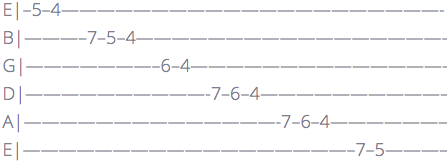
The Box
The box shape below shows a popular (mostly) 3-note-per-string shape, useful for fast runs. To play A Lydian, the lowest note shown (bottom left) is actually the 3rd fret of the E string, a G – the scale having been extended for maximum impact. The second note is the root note A.

The Theory
We’d better start with a quick explanation of modes. Take an E major scale with the notes E F# G# A B C# D# E. A Lydian is the fourth mode of the E major scale, meaning that if you start playing an E major scale from the fourth note (A) and play the notes listed back around to A again, you’re playing an A Lydian scale. You will notice that although the notes remain the same, the difference in intervals (distance between notes) gives it a very different sound to E major. The notes of A Lydian are also identical to an A major scale, but the fourth scale degree has raised a semitone (1 fret). The tonic chord is a Major Seventh.
The Lydian Mode is used extensively by Joe Satriani, Steve Vai and me (!) among others. Flying in a Blue Dream and the Theme tune for the TV show Futurama are examples of melodies using the Lydian mode.
Some Example licks
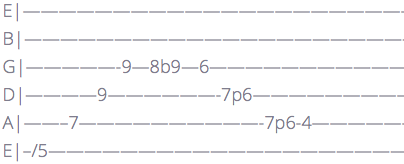
1) Sweep Up, Legato Down
2) Crosspicking:
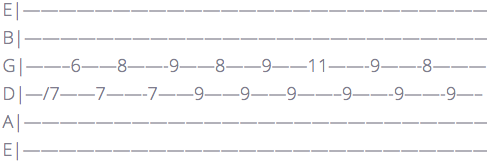
3) Alternate Pick:
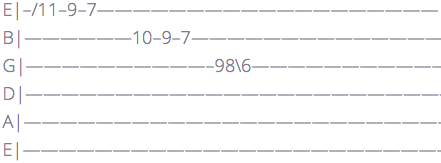
4) Double Picked Vai lick:
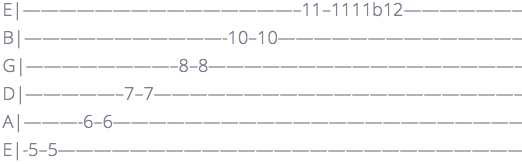
Hammer ons: h.
Pull offs: p.
Vibrato: ~.
Bends: b.
Release bend: br.
Slides: / or \ depending on direction.
And that’s the Lydian Scale for you. You can find more articles on scales and guitar technique to help you develop as a player here. If you’ve got any questions please get in touch on Facebook or Twitter.
If it doesn’t sound quite right… play it faster!


